
News
Swiss Academy of Engineering Sciences SATW
More Swiss research in space: Florian Kehl on the development of space missions at ETH Zurich
Four telescopes that must maintain a stable focus on extremely faint galaxies for an exceptionally long time, and detectors that remain at a constant temperature of around –130 degrees Celsius throughout: the ARRAKIHS space telescope has been built to the very limits of what is technically possible. In June 2026, the European Space Agency (ESA) gave the go-ahead for the mission – with a Swiss contribution for which Florian Kehl was responsible until the end of 2025. To ensure that such contributions do not remain isolated cases, in addition to high-quality research, we need structures, streamlined processes and people who can get entire missions off the ground. This is precisely what Kehl is working on today as Director of Space Research Initiatives at ETH Zurich | Space. In an interview with SATW, he explains what makes ARRAKIHS so technically challenging, just how competitive Switzerland really is when it comes to securing leadership roles in European missions, and why, in his view, the search for extraterrestrial life might be on the verge of yielding an answer.

Swiss Academy of Medical Sciences SAMS
News
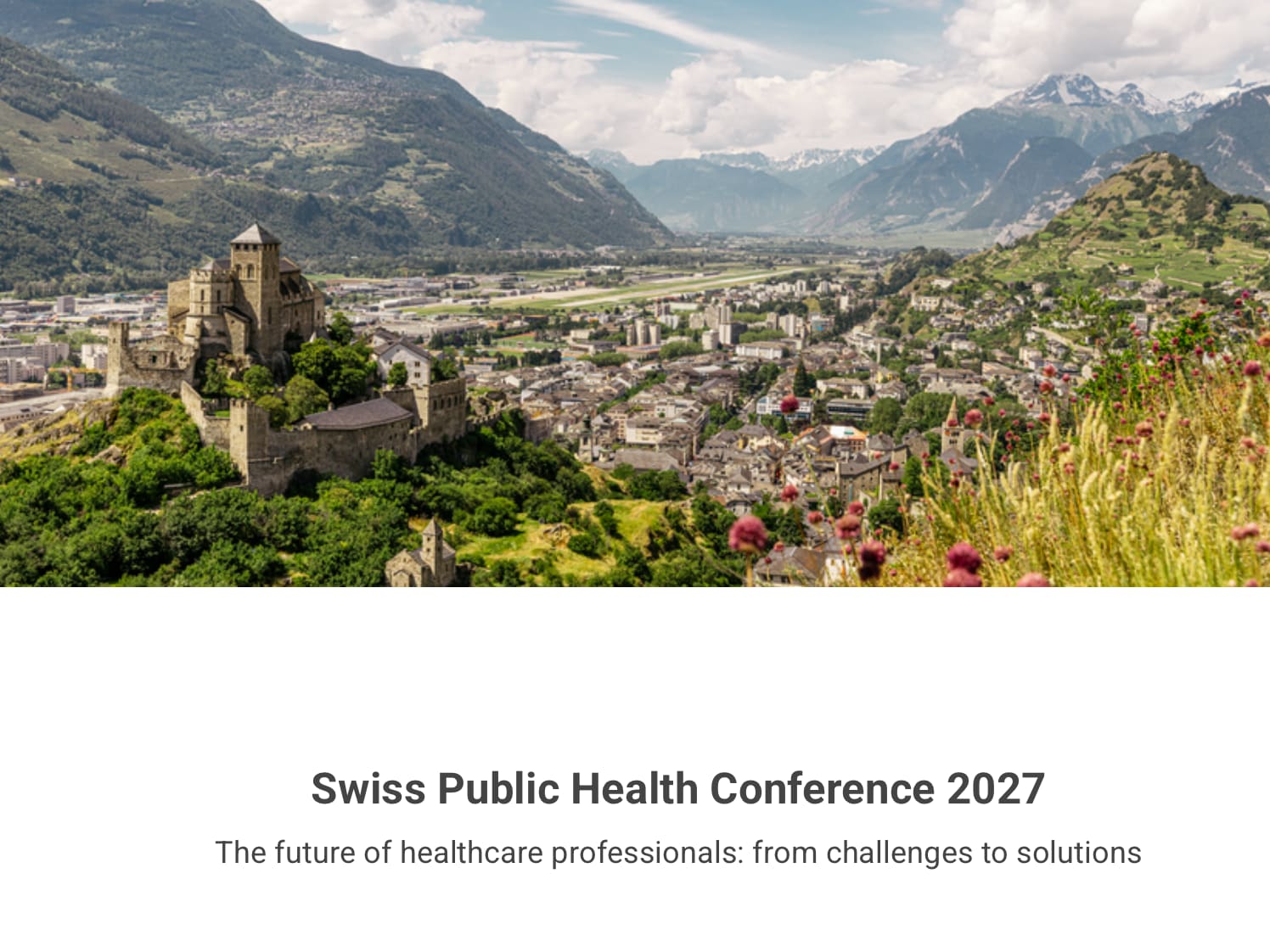
Swiss Public Health Conference 2027: call for abstracts now open
How can healthcare systems and their professionals address future challenges? The Swiss Public Health Conference 2027 in Sion will explore this question. Researchers and practitioners are invited to submit their ideas for presentations by February 1, 2027.
Swiss Academy of Engineering Sciences SATW
News
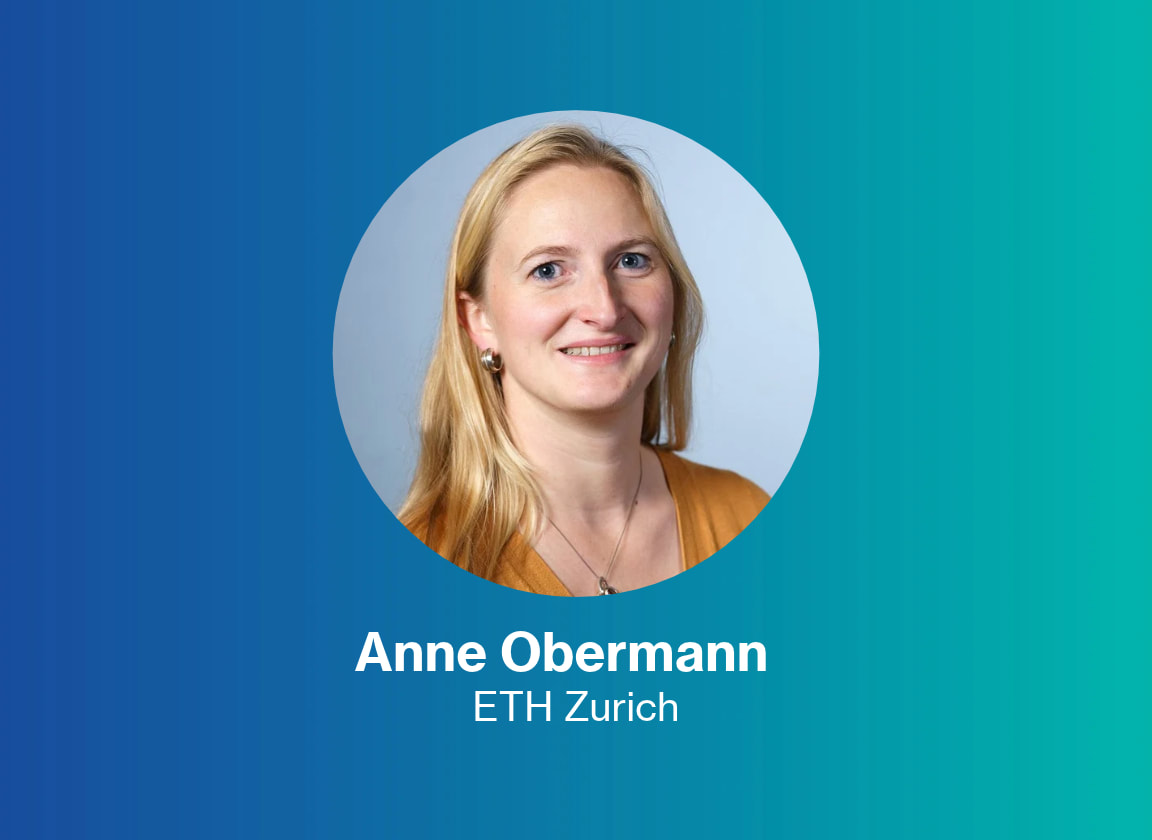
From controlled earthquakes to the monitoring of unstable slopes
How do earthquakes occur? Seismologist Anne Obermann from the Swiss Seismological Service, together with a research team from Paris, has applied unsupervised machine learning to data from ETH Zurich’s BedrettoLab. The collaboration was made possible by the Germaine de Staël funding programme. The method identified significantly more seismic events than the previous reference catalogue. This now opens up a broader perspective: initial analyses of data from the Blatten ice and rockfall suggest that the activity of an unstable slope may already be trackable using just a single seismic station. In an interview with the SATW, Obermann explains how a research collaboration gave rise to a new idea for monitoring natural hazards.Swiss Academy of Engineering Sciences SATW

News
mRNA 2.0: From the COVID-19 vaccine to a potential treatment for skin cancer
During the Covid-19 pandemic, mRNA technology gained worldwide recognition. Now it could also transform cancer treatment: the first personalised mRNA vaccine against melanoma has shown promising results in a large Phase III trial. When used in combination with immunotherapy, it reduced the risk of recurrence by 42 per cent. How does a vaccine work that is produced individually for each patient? And what still stands in the way of its widespread use?